
1. Agriculture Property
Click to view all properties in this category

2. Commercial Property
Click to view all properties in this category

3. Residential Property
Click to view all properties in this category
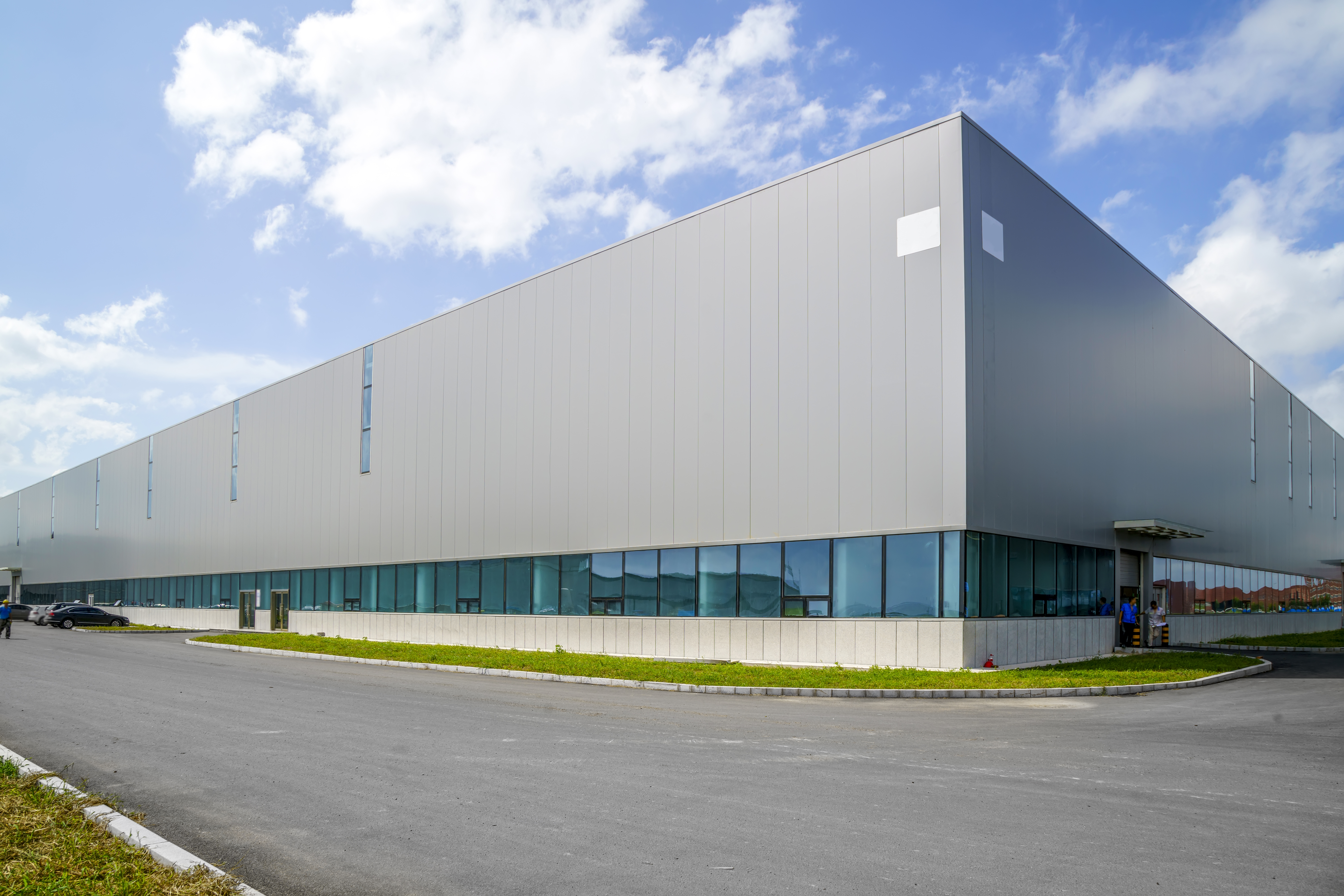
4. Industrial Property
Click to view all properties in this category

5. NRI Property Management Services
Click to view all properties in this category

6. Developed Property
Click to view all properties in this category
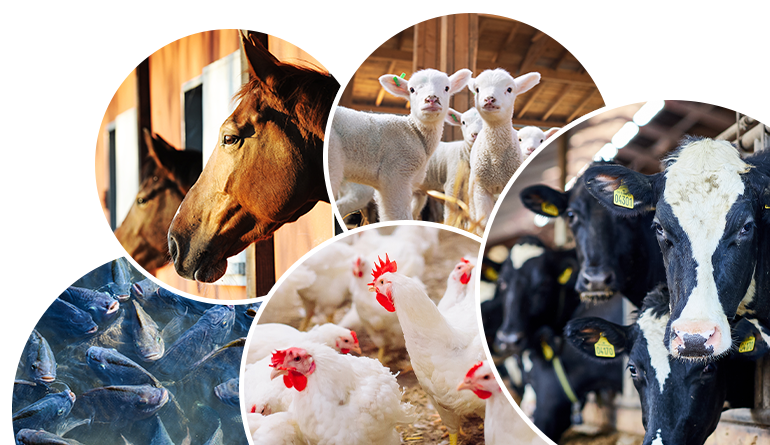
7. Animal Husbandry Property
Click to view all properties in this category
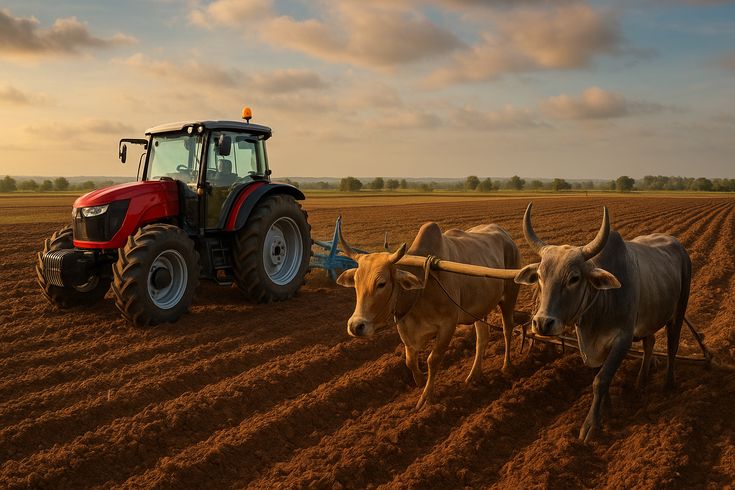
8. Agriculture & Construction Machinery & Vehicles
Click to view all properties in this category
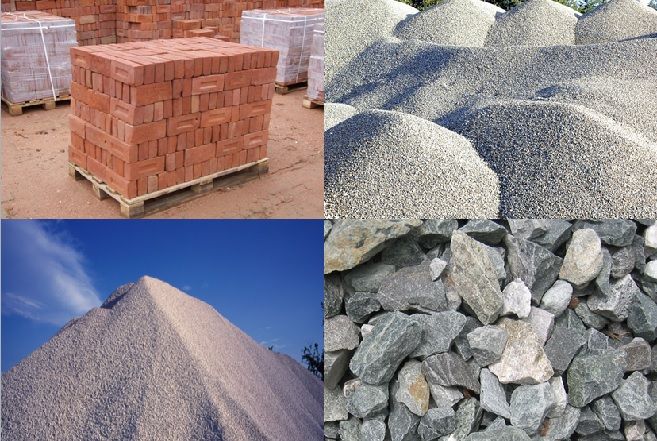
9. Construction Material
Click to view all properties in this category

Why choose us for the purchase of your dream home?
Exceptional Craftsmanship:
Our homes are more than structures – they're crafted with unparalleled kalpesh attention to detail.
Exceptional Craftsmanship:
Our homes are more than structures – they're crafted with unparalleled kalpesh attention to detail.
Varaha City
A city has many buildings and streets. It has houses, hotels, condominiums, and apartments for many people to live in, shops where they may buy things, places for people to work, and a government to run the city and keep law and order in the city. People live in cities because it is easy for them to find and do everything they want there. A city usually has a "city center" where government and business occur and suburbs where people live outside the center.
Frequently Asked Questions
What is agriculture property..?
Definition: It includes arable land, pastures, orchards, and plantations.
Components: This often includes the farmhouse, barns, and other structures necessary for agricultural operations.
Usage: It is specifically used for farming, but typically excludes land used for commercial processing, distribution, or marketing.
Alternative terms: Often referred to as farm land, agricultural holdings, or croplands.
What is commercial property..?
Types: Common examples include retail spaces, warehouses, office spaces, medical centers, and multifamily apartment complexes with a certain number of units.
Purpose: These assets are designed to produce income rather than serve as personal housing.
Distinctions: They often have different, stricter building codes compared to residential properties, particularly regarding accessibility.
Investment: They are frequently viewed as investment or income property, often offering different returns compared to residential real estate.
What is Industrial property..?
Scope: It includes patents for inventions, trademarks, industrial designs, and geographical indications.
Purpose: It encourages innovation and investment by granting creators exclusive rights to produce, sell, or use their designs and inventions.
Protection: It protects against unauthorized exploitation in industrial applications.
International Treaties: The Paris Convention for the Protection of Industrial Property (1883) is a major international treaty governing these rights.
Distinction: Unlike copyright, which covers artistic works, industrial property often relates to functional, manufactured, or branded items.
What is residential property..?
Definition: Property, including land and buildings, used as a home or dwelling.
Types:
Single-family homes: Detached, free-standing structures.
Multi-family dwellings: Duplexes, townhomes, and apartment buildings.
Condominiums: Privately owned units within a larger building or complex.
Characteristics: These areas often feature infrastructure like roads and utilities, with development sometimes organized into subdivisions.
Usage: These can be occupied by the owner (owner-occupancy) or rented out to others.
Distinction: Unlike commercial properties, which are used for business, retail, or industrial purposes, residential properties are focused on housing.
What is paying guest property..?
Concept: A tenant (the guest) lives in a property owned by someone else, often with the host family, or in a dedicated facility managed as a PG.
Amenities & Features: These typically include furnished rooms, food (meals), laundry, Wi-Fi, and sometimes security/CCTV.
Cost: Rent is generally paid on a monthly basis, often in advance, and is usually more affordable than renting a full apartment.
Types: Accommodations range from single, double, to triple sharing rooms.
Legal Standing: In many cases, PG occupants are considered licensees rather than tenants, meaning they have fewer legal protections than someone with a formal tenancy agreement.
Location: Often found near business centers or educational institutions to minimize commute times.
What is animal husbandry..?
Purpose: It is a vital, historically subsistence-based activity that provides food, fiber, fuel, and labor, contributing heavily to rural economies.
Methods: Includes selective breeding, modern artificial insemination, and genetic engineering to enhance traits.
Systems: Ranges from extensive (ranching, grazing) to intensive (feedlots, battery cages).
Key Aspects: Involves management of nutrition, health, housing, and breeding.
Infrastructure: In India, for example, the Animal Husbandry Infrastructure Development Fund (AHIDF) supports private investment in processing and feed plants.
What is Agriculture Machinery & Vehicle..?
d307c215-2d19-4881-b72a-4f6bd872aa58.jpg
There are many different types of agricultural machinery, including tractors, combines, harvesters, planters, plows, and irrigation systems. Tractors are perhaps the most commonly used type of machinery on farms. They are used for a variety of tasks, such as plowing fields, planting crops, and transporting goods. Combines are another important piece of equipment that is used to harvest crops like wheat, corn, and soybeans. Harvesters are used to pick fruits and vegetables, while planters are used to sow seeds in the ground. Plows are used to prepare soil for planting, and irrigation systems are used to provide water to crops.
The use of agricultural machinery has many benefits for farmers. It allows them to work faster and more efficiently, which means they can produce more crops in less time. This increased productivity can lead to higher profits for farmers. Additionally, the use of machinery can reduce labor costs, as it takes fewer people to operate the machines than it does to perform the same tasks by hand.
However, there are also some challenges associated with the use of agricultural machinery. One of the main concerns is safety. Farmers must be trained to operate the machines properly and follow all safety guidelines to prevent accidents. Another challenge is the cost of purchasing and maintaining the machinery. Farmers must invest significant amounts of money in their equipment, and repairs can be costly if something goes wrong.
Despite these challenges, the use of agricultural machinery continues to grow in popularity around the world. As technology advances, new machines are being developed that are even more efficient and effective than those currently in use. For example, precision agriculture techniques are being used to optimize crop yields and reduce waste. Drones are also being used to monitor crops and identify areas that need attention.
In conclusion, agricultural machinery plays a vital role in modern farming. It has made farming more efficient, productive, and cost-effective, allowing farmers to produce more food with less effort. While there are some challenges associated with the use of machinery, these are outweighed by the benefits it provides. As technology continues to advance, we can expect to see even more innovative machines being developed to help farmers meet the growing demand for food worldwide.
Get Demo
Homebreadcrumb-arrow
Toolboxbreadcrumb-arrow
Blog
Construction
Management
Business Tips
30 Construction Equipment Types and Their Uses
ServiceTitan
June 11th, 2025
Share to X
Share to Facebook
Share to LinkedIn
Share to Email
30 Construction Equipment Types and Their Uses
Choosing the right construction equipment influences the project’s outcome, affecting everything from timelines to costs to on-site productivity.
Contractors, site managers, and equipment operators need to know the full range of construction machinery available to them to make informed decisions.
This guide covers 30 different types of construction equipment, outlining their specific functions to show you how to use them effectively.
You’ll also learn how to make wise choices to boost efficiency and reduce downtime by using ServiceTitan to streamline equipment management.
Let’s get started!
» Want to grow your business? Click here to get a demo.
What Are the Main Types of Construction Equipment?
Construction equipment varies by type and each is designed to support different construction project phases.
Earthmoving equipment, like excavators, bulldozers, and backhoes, is used during the initial stages of construction to dig foundations, grade the land, and remove debris.
Material handling equipment, such as cranes, forklifts, and telehandlers, move and position heavy materials safely and efficiently. They play a key role in transporting heavy loads across the jobsite, especially in vertical construction projects.
Construction vehicles include dump trucks, mixer trucks, and tankers. These vehicles support tasks such as hauling materials, mixing concrete, or delivering water to the worksite.
Roadwork equipment, as in asphalt pavers, compactors, and road rollers, help build and maintain roads. These heavy-duty machines ensure proper compaction, smooth surfaces, and durability for infrastructure projects.
How Is Construction Equipment Categorized?
The construction industry typically classifies heavy-duty machinery based on three criteria to help simplify selection and improve project planning.
Functionality groups construction machinery by the specific tasks they perform. For example, a bulldozer is vital for pushing earth, while a drill rig is employed for deep excavation and foundation tasks.
Operation classifies equipment according to operational methods, ranging from manual to automated systems. For instance, you can use a boom lift in semi-automatic operations for accessing high work areas, whereas you can operate a concrete pump continuously with minimal manual input.
Mobility distinguishes between mobile machinery, such as construction vehicles that can be driven from one worksite to another, and stationary equipment, like a plate compactor that remains in one place during operation.
Considering these classification methods, let’s now explore the purpose of the different construction equipment.
The #1 newsletter for the trades.
Enter email address
Enter email address
Hp123
Subscribe
What Is the Purpose of Each Type of Construction Equipment?
Here’s how each piece of equipment can be used on a construction job site.
1. Excavators
Excavators handle digging, lifting, demolition, and even underwater tasks. Their rotating cab, extendable boom, and interchangeable attachments like buckets and breakers provide reach, power, and precision. They can be used for commercial and residential construction projects requiring heavy-duty excavation.
2. Backhoe loaders
Backhoe loaders combine a front loader and rear backhoe on one chassis, allowing them to dig, trench, backfill, and lift with ease. Their compact design helps them navigate tight job sites, making them ideal for urban work and utility projects. Backhoe loaders also often work alongside chainsaws when clearing tree roots or cutting timber for site preparation.
3. Bulldozers
Bulldozers (or dozers) are powerful, track-driven machines built for pushing and grading heavy material like soil, rubble, and rock. Their wide front blade makes them excel at clearing land, flattening uneven terrain, and cutting through rigid surfaces. Many models also feature a rear ripper attachment to break up compacted ground, making them indispensable during the initial phases of construction or demolition.
4. Skid steer loaders
Operators turn skid steers by skidding their wheels, enabling them to pivot in small spaces. These compact machines accommodate attachments such as augers and trenchers which makes them great for landscaping, excavation, and snow removal on tight job sites. Scissor lifts can complement skid steer loaders on vertical tasks in confined indoor construction zones.
5. Motor graders
Motor graders shape smooth, level surfaces using a centrally mounted blade. Your workers can use them after bulk earthmoving to refine grades for roads, slopes, and building foundations. GPS-equipped models offer even greater precision.
6. Wheel tractor-scrapers
Wheel tractor-scrapers cut, collect, and transport soil in one operation. Their large rear axles support heavy loads, facilitating hauling across uneven terrain. They can be used on expansive job sites, such as airports or highways, to grade and level quickly.
7. Trenchers
Trenchers dig narrow, deep trenches for utilities, like pipes and cables. The chain or wheel model cuts through various soil types with speed and accuracy, reducing labor costs and improving efficiency.
8. Cranes
Cranes lift and move heavy materials, like steel beams and precast concrete. They come in different types, from mobile truck-mounted versions to fixed tower cranes. This type of equipment is well-suited for large-scale assembly operations across infrastructure, industrial, and commercial projects.
9. Tower cranes
Tower cranes rise with a building’s height and move materials across wide distances. This piece of heavy equipment is commonly used in urban high-rise work sites. They lift heavy structural elements and tools into position, streamlining complex vertical construction.
10. Telehandlers
Telehandlers use extendable booms to lift heavy loads to elevated or unreachable locations. Construction teams use them to place materials like trusses or pallets where traditional forklifts can’t reach. Attachments further expand their utility.
11. Dump trucks
Dump trucks are vehicles that carry loose materials such as gravel, sand, or debris across the construction site. Drivers can use the hydraulic lift bed feature to unload contents quickly. These trucks simplify hauling tasks, site cleanup, and material delivery.
12. Pavers
Pavers lay asphalt or concrete evenly across roads and parking lots. This heavy machinery comes with automatic controls to create accurate thickness and slopes. Road construction crews rely on this equipment for efficient and uniform paving before rollers compact it.
13. Compactors
Compactors press down loose material to create stable surfaces. Road rollers handle large areas, while plate compactors focus on tighter spaces. Both compactors prevent future settling and extend the life of roads and foundations.
14. Feller bunchers
Feller bunchers cut and gather multiple trees for land clearing. These forestry machines use high-powered saw heads to harvest efficiently while minimizing soil disturbance. Developers often use it to prepare wooded land for construction. You can pair them with skidders to drag felled logs to centralized processing areas.
15. Concrete mixers
Concrete mixers combine cement, aggregates, and water to produce fresh, consistent concrete. Whether mixing on-site or in transit, these machines guarantee uniformity and reduce waste in foundation and structural work.
16. Asphalt mixing plants
Asphalt mixing plants produce hot mix asphalt with precise ratios of aggregate and binder. This type of equipment can be mobile or stationary and is specifically designed to supply consistent, high-quality mix for road construction projects in various environments.
17. Road rollers
Road rollers compact freshly laid asphalt and base layers after paving. You can opt for smooth drum, pneumatic, or tandem models depending on your compaction needs. Road rollers eliminate air pockets and provide long-term durability to road surfaces.
18. Soil stabilizers
Soil stabilizers improve ground conditions by blending additives, such as lime, cement, or asphalt, directly into the soil. This equipment is used to strengthen weak or loose surfaces, creating a solid, uniform base for roads, foundations, and airfields. Stabilizers reduce the need to haul in replacement materials, making them ideal for cost-effective groundwork in challenging environments.
19. Pile driving equipment
Pile drivers force support columns deep into the ground to stabilize weak soil. This heavy construction equipment comes in hydraulic, diesel, or vibratory versions to accommodate various project needs. It’s ideal for bridges, towers, and waterfront construction.
20. Hydraulic mining shovels
Hydraulic mining shovels remove large quantities of rock, ore, or soil in mining and heavy excavation sites. Their hydraulic power and oversized buckets help operators work continuously with high precision and efficiency.
21. Dragline excavators
Draglines use a suspended bucket on a cable system to excavate deep areas or remove overburden. Mining and large-scale civil projects benefit from their reach and ability to handle high-volume excavation.
22. Wheel loaders
Wheel loaders scoop, move, and load loose materials using front-mounted buckets. You can use this heavy equipment’s articulated steering and mobility on construction and mining sites to perform quick, heavy-duty loading tasks.
23. Articulated haulers
Articulated haulers navigate rugged terrain while hauling heavy loads. Their pivoting chassis improves maneuverability on uneven surfaces. Your workers can use them on mining, earthmoving, and infrastructure sites where stability and flexibility are of the utmost importance.
24. Cold planers
Cold planers remove old asphalt or concrete before resurfacing roads. This machinery has a rotating drum that mills the road surface, enabling your crew to recycle the material and prepare a smooth base for the new pavement.
25. Pipe layers
Pipe layers lift and position large pipes into excavated trenches. Operators use the side booms to set pipelines precisely. These machines are vital in utility, oil, and water infrastructure installations.
26. Pile boring equipment
Pile boring machines drill narrow, deep holes for cast-in-place concrete piles. You can employ this equipment in dense soil conditions where traditional pile drivers can't operate. Choose this machinery if you’re doing foundation work for bridges and towers.
27. Gradall excavators
Gradall excavators feature telescoping booms that tilt like a human wrist, providing refined control. Operators use them for slope shaping, ditch maintenance, and fine grading, especially in tight or uneven work areas.
28. Rough terrain cranes
Rough terrain cranes operate on large rubber tires with all-wheel drive. This construction equipment offers stability on uneven job sites due to its compact design and outriggers. The rough terrain crane can lift and move materials in remote or off-road environments.
29. Crawler loaders
Crawler loaders combine the lifting capability of a loader with the traction of a tracked machine. The front-mounted bucket makes them ideal for scooping, lifting, and loading materials, especially in environments where wheeled machines might get stuck, like wet or unstable soil. These machines offer a versatile choice for site cleanup, backfilling, and general-purpose earthmoving.
30. Tower lights
Tower lights illuminate dark or low-visibility construction sites using powerful lamps mounted on telescoping masts. They run on diesel or electric generators and provide lighting for night shifts or emergency work.
Next, let’s explore the most common types of machines used in construction projects.